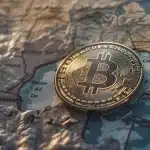


As geopolitical tensions rise, investors are harnessing the unique properties of Bitcoin to navigate uncertainty, showcasing its potential as a resilient asset. Understanding Bitcoin’s geopolitical impact is crucial for navigating the financial landscape shaped by global events, especially as the price fluctuates in response to crises.
Geopolitical Factors Influencing Bitcoin’s Resilience
Geopolitical conflicts often drive investors toward alternative assets. In particular, tensions like those observed between the US and Iran significantly influence Bitcoin’s attractiveness as a store of value. While traditional safe havens like gold have long been a go-to during crises, recent behaviors in the market suggest that Bitcoin is increasingly seen as an effective hedge against geopolitical instability.
For example, data from BlackRock suggests that Bitcoin often rebounds robustly after geopolitical shocks. This recovery tendency outpaces that of more conventional assets, including gold and stock index futures. The appeal of Bitcoin is further bolstered by institutional support through financial instruments like exchange-traded funds (ETFs), making Bitcoin a part of diversified investment portfolios in an increasingly complex economic landscape.
Current Bitcoin Price Movements Amidst Tension
The price movements of Bitcoin have recently captured the attention of investors. In early trading, Bitcoin surged to $68,600, even while U.S. stocks experienced modest losses as geopolitical concerns escalated due to strikes in Iran. Economic indicators, such as strong manufacturing data released in February, add layers of complexity to market reactions. Thus, the interplay of geopolitical conflicts and Bitcoin’s price fluctuations often establishes a narrative that contrasts sharply with traditional stock market performances during crises. As noted by CoinDesk, Bitcoin’s ability to rise amidst difficulties exemplifies its unique placement as a resilient asset, drawing away from the traditional market.
US-Iran Relations and Bitcoin’s Role
The ongoing tensions between the U.S. and Iran undeniably shape the landscape of cryptocurrency investments. Iran’s establishment of a parallel crypto economy worth $7.8 billion underscores how countries subject to sanctions may increasingly turn to cryptocurrencies for financial maneuvering. This environment has resulted in Iran accounting for 2-5% of global Bitcoin mining power. As noted by Chainalysis, Iran has legalized cryptocurrency mining using subsidized electricity, allowing them to leverage mined Bitcoin for international trades. These developments illustrate Bitcoin’s geopolitical impact, providing a glimpse into how investors can adapt trading strategies based on unfolding international relations.
The Impact of Oil Prices on Bitcoin Markets
Rising oil prices often correlate with fluctuations in Bitcoin markets, a dynamic worth examining in the context of geopolitical tensions. Historically, oil price instability has been linked with increased market behaviors in cryptocurrencies, as investors seek alternatives when traditional commodities falter. For example, with oil prices recently rising by 9%, as reported by FactSet data, this shift can ignite more significant movements in Bitcoin prices.
Investors must consider these interactions: as oil prices stabilize or destabilize, Bitcoin could either surge as an alternative asset or face downwards pressure from a market resistant to volatility. Looking ahead, understanding these trends enables investors to predict Bitcoin price movements more effectively, particularly during times of geopolitical unrest.
Investors’ Strategies in a Changing Landscape
In navigating these turbulent geopolitical waters, investors are developing strategies to utilize Bitcoin more effectively. One key tactic involves diversifying portfolios to include cryptocurrencies as robust assets—leveraging Bitcoin’s resilience to hedge against regional conflicts. By focusing on Bitcoin’s unique characteristics, such as decentralization and borderless transactions, investors can mitigate risks associated with geopolitical upheaval.
As investors adopt such strategies, they are increasingly viewing cryptocurrency as essential in modern investment frameworks. The shift from traditional investments to more diversified portfolios, by including assets like Bitcoin, showcases a broader understanding of how geopolitical narratives affect market stability.
Future Outlook for Bitcoin in Global Conflicts
Looking forward, Bitcoin’s role as a potential safe haven amidst ongoing global conflicts could evolve significantly. As geopolitical challenges continue to rise, investors may become more inclined to turn to Bitcoin as a reliable asset. However, this shift could also entice regulatory scrutiny, which will play a crucial role in Bitcoin’s stability.
Investor sentiment will be a vital aspect of this evolving scenario. As market dynamics shift in line with geopolitical events, understanding how these influences affect Bitcoin’s appeal will be crucial for both current and prospective investors. While the landscape is moving rapidly, Bitcoin’s resilience suggests it may continue to garner interest as a viable option for those concerned about the implications of international relations on economic stability.